
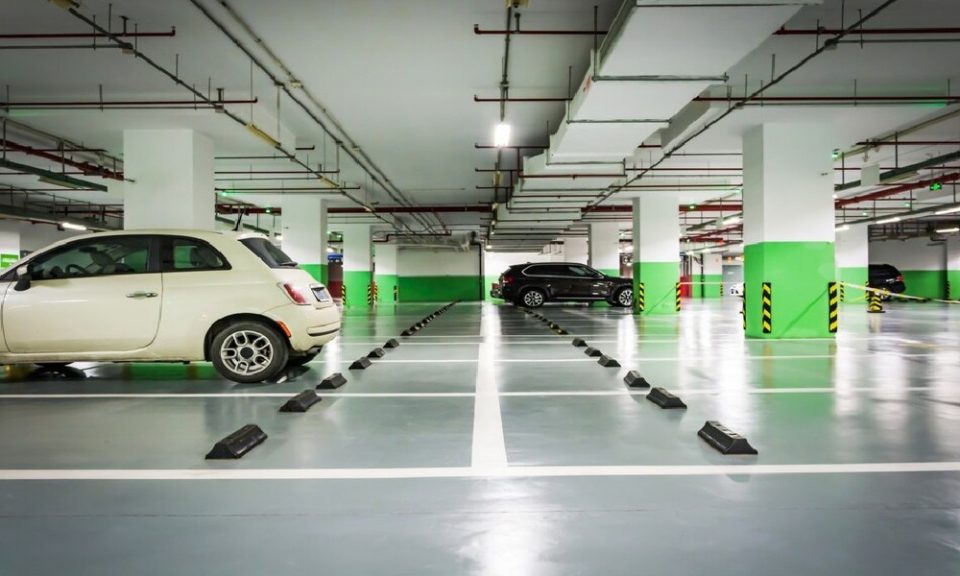
Busy commercial districts require dependable circulation throughout operating hours. Delays often frustrate visitors and disrupt scheduled business activities. Across expanding properties, parking management companies coordinate smoother directional movement. Steadier access gradually supports demanding commercial activity throughout peak periods.
Why Structured Vehicle Flow Improves Daily Operations?
Without organized navigation, delays eventually affect operational scheduling across properties. Delivery personnel sometimes encounter blocked access during crowded business periods. In contrast, regulated circulation creates smoother transitions between different service zones. Staff members also benefit from predictable movement surrounding loading areas.
Additionally, shorter waiting intervals improve customer satisfaction during busy afternoons. Consistent traffic direction strengthens coordination between separate commercial departments. Over time, fewer disruptions support productivity across larger operational environments.
Coordinated Entry Routes Reduce Urban Congestion
During crowded intervals, unmanaged entrances quickly create surrounding roadway confusion. Clearly marked lanes encourage balanced movement near commercial properties. Meanwhile, trained attendants guide incoming vehicles toward available spaces efficiently. Better circulation patterns often reduce unnecessary internal traffic buildup.
- Directional signage minimizes uncertain turning movements
- Separate exits improve surrounding roadway consistency
- Guided pathways support uninterrupted customer arrivals
- Marked zones reduce reversing near entrances
Instead of disorderly movement, organized routing supports calmer visitor experiences. Nearby retailers frequently notice steadier customer arrival across business hours.
Smart Allocation Methods Support Visitor Convenience
At larger facilities, uneven space usage creates avoidable circulation difficulties daily. Strategic allocation distributes vehicles across available sections more evenly. Because surrounding lanes remain clearer, drivers locate parking considerably faster. Visitors generally appreciate straightforward access near frequently visited commercial establishments.
- Reserved sections simplify employee arrival procedures
- Timed access improves turnover during active periods
- Digital monitoring identifies overcrowded operational areas
- Guided placement reduces unnecessary internal circulation
Beyond operational advantages, organized allocation decreases returning visitor frustration considerably. Balanced occupancy patterns encourage smoother movement throughout surrounding commercial areas.
Controlled Access Systems Strengthen Commercial Efficiency
Security concerns occasionally affect movement near densely occupied business environments. Controlled access systems help maintain orderly circulation near restricted zones. Meanwhile, automated barriers reduce unauthorized entry during sensitive operational periods. Employees often experience improved convenience through simplified verification procedures.
Across modern developments, parking management companies increasingly integrate monitoring technologies thoughtfully. Structured oversight supports safer environments without interrupting surrounding vehicle circulation. Commercial operations therefore maintain stronger consistency during demanding business schedules.
Can Organized Parking Improve Customer Retention Rates?
First impressions strongly influence visitor perceptions regarding commercial establishments today. Difficult parking experiences sometimes discourage repeat visits across competitive marketplaces. However, organized vehicle guidance creates more welcoming arrival experiences immediately. Customers generally prefer locations offering smoother access and shorter delays.
- Faster entry encourages repeated customer engagement
- Clear navigation improves overall visitor confidence
- Reliable circulation supports positive operational impressions
- Simplified exits reduce frustration after purchases
At the same time, accessible movement patterns strengthen visitor confidence across commercial spaces. Gradually, consistent convenience encourages stronger commercial loyalty within competitive sectors.
Balanced Traffic Planning Encourages Consistent Business Movement
Efficient circulation supports broader operational stability throughout commercial environments continually. Although customer expectations continue evolving, organized systems maintain dependable accessibility daily. Careful planning also reduces unnecessary pressure surrounding neighboring transportation routes. As commercial districts expand, coordinated movement becomes increasingly valuable.
Ultimately, structured parking oversight contributes toward stable operational performance consistently. Businesses benefit whenever movement remains predictable, organized, and professionally managed.
