
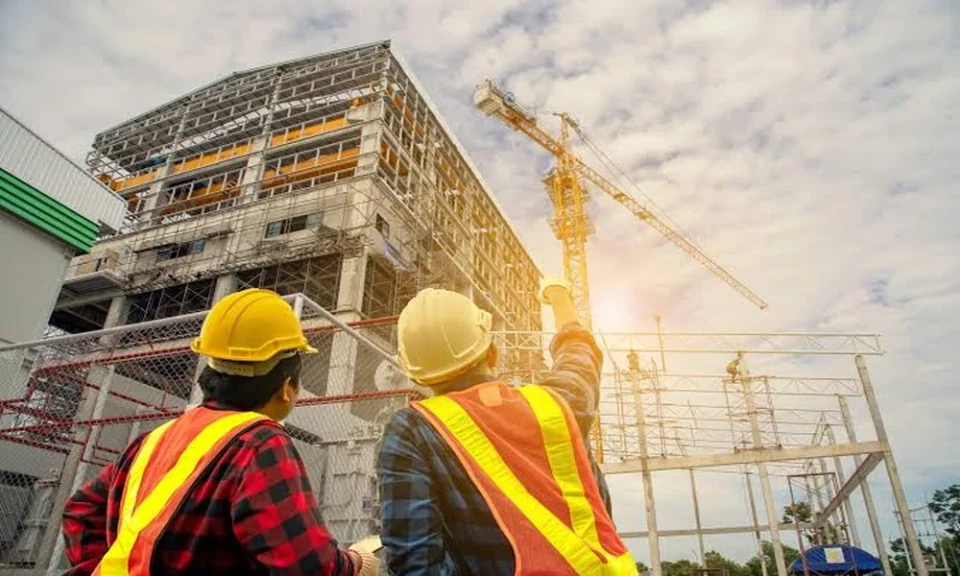
Commercial projects rarely succeed through construction alone. Strong planning shapes each outcome before equipment reaches the site. Early coordination reduces expensive revisions and keeps every specialist aligned. Material choices influence future maintenance costs for decades. Project leaders who Learn more about complete commercial construction services gain stronger control over budgets, scheduling, compliance, and final building performance.
Why Does Full-Service Construction Reduce Project Risks?
Large developments rely on countless connected decisions every day. Missed coordination creates delays, unexpected expenses, and approval challenges. Skilled project teams monitor technical details before issues expand. Consider a hospital expansion where utility routing changes early. Small design adjustments protect installation schedules while avoiding disruptive reconstruction later.
Coordinated Planning Shapes Complex Commercial Results
Design, procurement, engineering, and field operations require constant alignment. Separate contractors often interpret drawings differently. Shared oversight removes conflicting instructions before crews begin work.
Key coordination priorities include:
- Review engineering documents carefully.
- Verify supplier delivery schedules.
- Monitor regulatory approval timelines.
- Resolve field conflicts early.
- Record inspection milestones accurately.
Which Construction Services Deliver Long-Term Performance?
Strong commercial buildings depend upon thoughtful execution beyond visible finishes. Structural integrity, mechanical reliability, and efficient systems influence operating expenses every year. Owners who Learn more about integrated construction management recognize stronger value through coordinated scheduling, disciplined quality inspections, and reliable commissioning before occupancy begins.
Essential Features Driving Project Success
Each commercial development benefits from measurable project controls rather than assumptions.
Important features include:
- Accurate cost forecasting
- Dedicated safety supervision protecting crews
- Digital progress tracking reports
- Material verification before installation
Those measures reduce uncertainty across expanding construction programs while preserving quality expectations.
Managing Multiple Trades Without Delays
Electricians, steel fabricators, plumbers, façade installers, and concrete specialists share limited workspace daily. Effective sequencing keeps activities moving without unnecessary interruptions. Office tower construction offers one clear example. Mechanical installations often begin immediately after structural inspections, allowing interior work without idle labor or repeated equipment relocation.
Strong Buildings Reflect Coordinated Expertise
Successful developments leave lasting evidence through dependable performance rather than impressive openings. Earlier scheduling decisions influence maintenance years after project completion. Careful supplier verification, disciplined inspections, and coordinated trade sequencing create facilities requiring fewer corrective repairs. That outcome strengthens operational confidence while protecting long-term investment across expanding commercial property portfolios.
FAQs
1. What defines end-to-end commercial construction services?
Complete services manage planning, engineering, procurement, construction, inspections, commissioning, and project handover through one coordinated delivery process.
2. Which developments benefit most from these services?
Healthcare facilities, distribution centers, educational campuses, manufacturing plants, retail complexes, and multi-building corporate developments benefit from unified project delivery.
3. Can one contractor coordinate multiple specialist teams?
Yes. Centralized management aligns subcontractors, suppliers, consultants, inspections, documentation, and construction sequencing throughout project execution.
