
Key Takeaways
- Overseas repatriation involves legal, logistical, and administrative processes that vary between countries.
- Missing documents or delays in approvals can extend the repatriation timeline.
- Transport arrangements require coordination with airlines, government authorities, and healthcare professionals.
- Working with repatriation companies in Singapore helps families manage complex procedures more efficiently.
- Choosing a funeral parlour that provides repatriation support can reduce administrative burdens during a difficult period.
Introduction
Losing a loved one overseas presents families with additional responsibilities beyond arranging a funeral. They must manage documentation, communicate with foreign authorities, comply with transportation regulations, and coordinate with multiple organisations before the deceased can be returned home. These tasks often need to be completed within strict legal requirements while family members are coping with grief. Understanding the common challenges involved in overseas repatriation allows families to prepare in advance and make informed decisions when professional assistance is required, including seeking help from repatriation companies in Singapore.
Managing Complex Documentation
One of the first challenges is gathering the necessary documents required for international transport. Depending on the country where the death occurred, authorities may require an official death certificate, embalming certificate, passport cancellation, export permit, transit permit, and other supporting records. Some documents may also need certified translations or legal authentication before they are accepted by the receiving country. Missing or inaccurate paperwork can delay approvals and postpone travel arrangements. Families should maintain copies of identification documents and be prepared to work closely with the relevant authorities to ensure every requirement is completed correctly.
Coordinating Between Multiple Authorities
Overseas repatriation involves communication with hospitals, police departments when applicable, embassies, consulates, airlines, funeral service providers, and customs officials. Each organisation has its own procedures, operating hours, and documentation requirements. Delays from one agency may affect the entire process. Families who are unfamiliar with international regulations may find it difficult to coordinate these communications while also informing relatives and making funeral arrangements. Engaging repatriation companies can help streamline communication because they regularly coordinate with both local and overseas authorities throughout the repatriation process.
Understanding Transportation Requirements
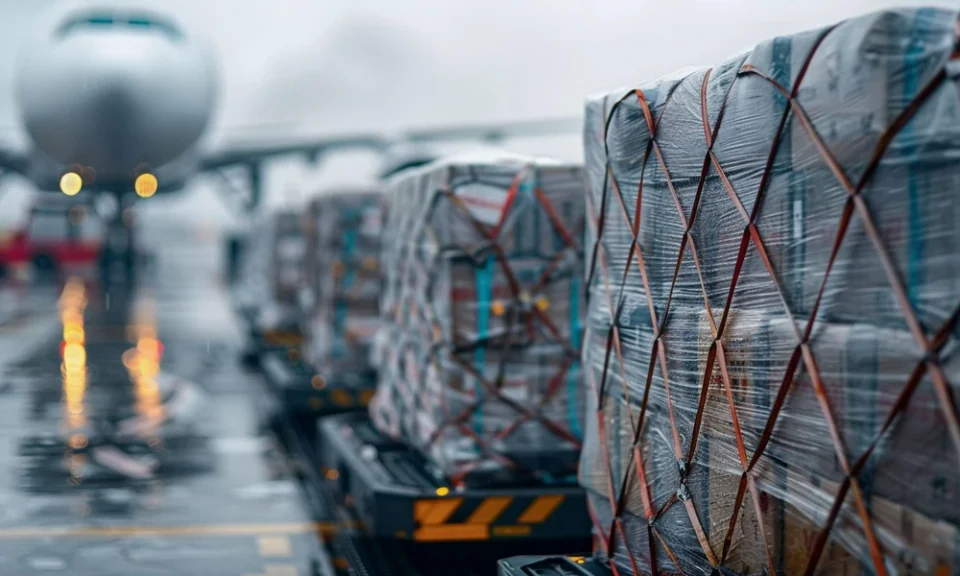
Transporting human remains internationally requires compliance with airline regulations and health standards. In many cases, embalming is necessary before transportation, and approved caskets or specialised containers must be used to meet international requirements. Flight availability, customs clearance, and connecting routes may also influence the overall timeline. Unexpected travel disruptions, public holidays, or weather conditions can further complicate scheduling. Families should understand that repatriation timelines vary depending on the destination country and regulatory approvals rather than assuming transport can be arranged immediately.
Managing Emotional and Financial Pressures
Families often need to make important decisions within a short period while experiencing emotional distress. At the same time, overseas repatriation may involve expenses such as document processing, embalming, transportation, airline charges, and local funeral services. Costs can differ significantly depending on the country, distance, and specific requirements. Having travel insurance or funeral insurance that includes repatriation benefits may reduce some financial burdens. Where no insurance exists, requesting a detailed quotation before proceeding helps families understand the expected costs and avoid unexpected expenses later.
Preparing Before Repatriation Becomes Necessary
Although overseas repatriation cannot always be anticipated, certain preparations can simplify the process. Families should keep emergency contact information readily available, ensure passports and personal identification records are current, and understand any insurance coverage that may include repatriation assistance. Travellers should also inform close relatives about their travel itineraries and keep important documents accessible. Selecting a funeral parlour in SG that offers repatriation services before assistance is required can also reduce delays, as experienced providers understand the administrative procedures involved and can coordinate the necessary arrangements quickly when circumstances arise.
Conclusion
Overseas repatriation involves far more than arranging transportation. Families must navigate legal documentation, international regulations, logistical coordination, and financial considerations while coping with bereavement. Preparing in advance and understanding the challenges involved allows decisions to be made more efficiently during an already difficult time. Professional support, organised documentation, and clear communication with the relevant authorities all contribute to a smoother repatriation process and help families focus on honouring their loved one rather than managing complex administrative requirements.
Connect with Casket Fairprice and let us manage the repatriation of a loved one from overseas with careful coordination and compliance with international requirements.
